Np
93
Neptunium
Neptunium is a chemical element; it has symbol Np and atomic number 93. A radioactive actinide metal, neptunium is the first transuranic element. Its position in the periodic table just after uranium, named after the planet Uranus, led to it being named after Neptune, the next planet beyond Uranus. Neptunium was discovered in 1940 by Edwin McMillan and Philip H. Abelson by bombarding uranium with neutrons. Due to its radioactivity and long half-life, neptunium-237 is considered a significant radiological hazard in nuclear waste. It has no commercial applications.
Actinide
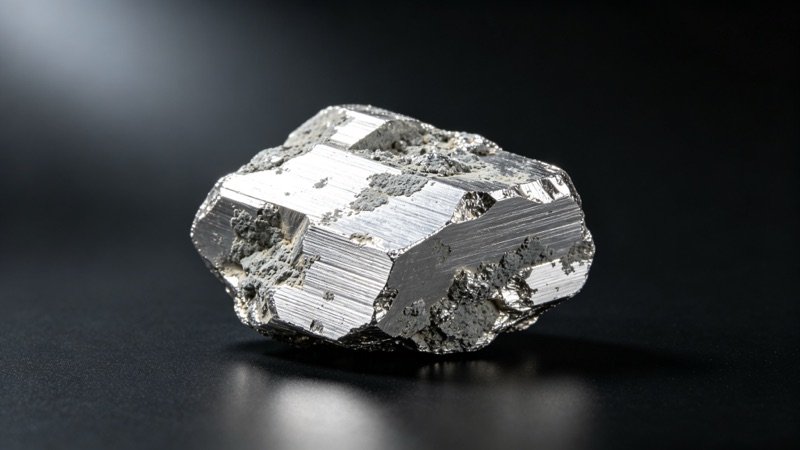
silvery metallic