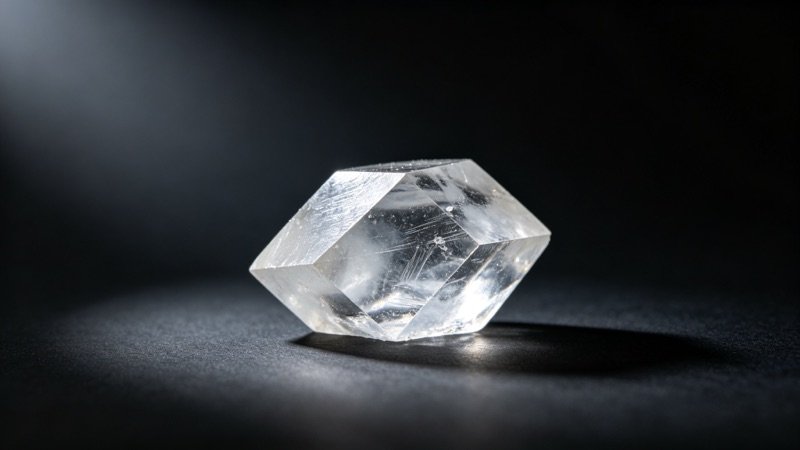
Calcium is a reactive alkaline-earth metal; pure calcium metal is almost never seen in daily life, and its role appears mostly through compounds and metallurgical additives. In the metallurgical industry, metallic calcium is an excellent deoxidizer, desulfurizer and dehydrogenizer; adding calcium to molten steel and cast iron provides deep cleaning, improving inclusion morphology and machinability. In producing rare metals such as rare earths, chromium and thorium, calcium acts as a strong reducing agent to reduce them from their oxides. In continuous steel casting, calcium treatment modifies inclusion morphology and improves the fatigue properties of steel. In energy storage, calcium alloys are also being studied for novel calcium-based batteries, aiming to exploit their abundance and low cost. More broadly, calcium is a foundational element of life and civilization: the main component of human bones and teeth is hydroxyapatite, and cement, lime, glass, ceramics and building stones all depend on calcium-bearing minerals. Calcium metal is used less than its compounds because it is so reactive that it reacts violently on contact with air and water, so it can be used only in small quantities under isolated conditions.
Calcium carbonate (CaCO3) is the main constituent of limestone, marble, calcite and chalk; it is the basic raw material for producing cement, lime and slag formation in iron and steel smelting, and finely ground ground calcium carbonate is also widely used as a cheap filler and white pigment in plastics, paper and paints. Calcium oxide (CaO), commonly called quicklime, reacts with water with vigorous heat release to form slaked lime; it is widely used in steelmaking slag formation, building mortar, wastewater treatment and flue-gas desulfurization, and is also a desiccant and soil amendment. Calcium hydroxide (Ca(OH)2), commonly called slaked or hydrated lime, is a traditional material for wall plastering and lime-and-sand mortar; it is now used in acidic wastewater treatment, flue-gas desulfurization and food processing. The dihydrate of calcium sulfate (CaSO4) is gypsum; heating and dehydrating it yields hemihydrate plaster—building plaster—used to make gypsum boards, sculpture molds and cement retarders, and it is also used as the coagulant in tofu making. Calcium chloride (CaCl2) is extremely hygroscopic and is used as a road deicer, dust suppressant and desiccant, and as a drilling-fluid additive.