Ra
88
Radium
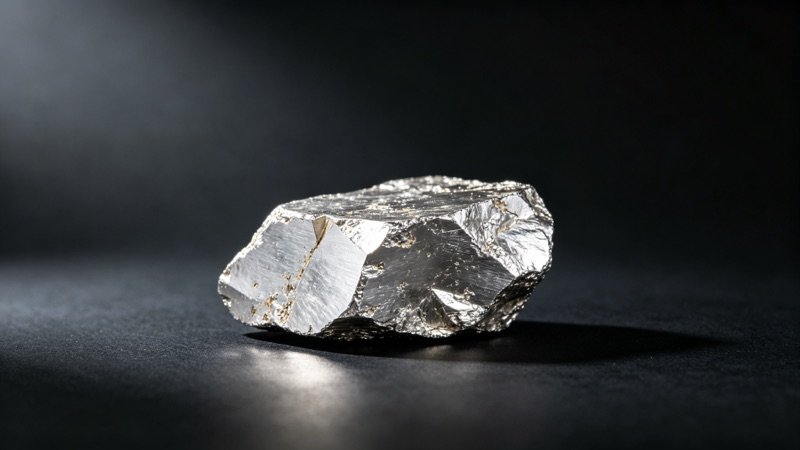
Radium is a chemical element; it has symbol Ra and atomic number 88. It is the sixth element in group 2 of the periodic table, also known as the alkaline earth metals. Pure radium is silvery-white, but it readily reacts with nitrogen on exposure to air, forming a black nitride coating. Radium was discovered in 1898 by Marie and Pierre Curie. Radium is highly radioactive. Radium-226 was historically used in luminous paint (for watch dials, aircraft instruments) and in cancer therapy, but these uses have been largely phased out due to radiation hazards.
Alkaline Earth Metal
silvery white metallic