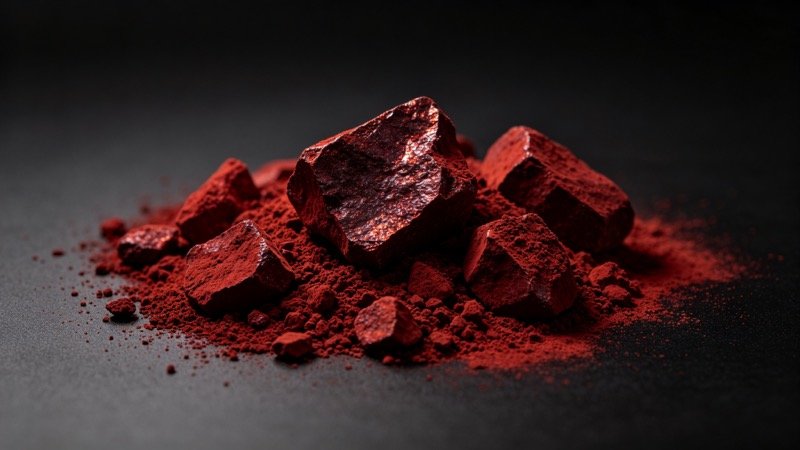
Phosphorus is an essential element for life and agriculture. While its compounds far outweigh its elemental uses, elemental phosphorus still holds irreplaceable roles in steelmaking, matches, and flame retardancy. In steelmaking, red phosphorus and ferrophosphorus are added to the melt as deoxidizers and alloying agents, helping remove excess oxygen and improving machinability; phosphorus-bearing free-cutting steels are widely used for screws, nuts, and precision parts machined on automatic lathes. Safety matches are the most iconic civilian use of red phosphorus: red phosphorus is coated on the strike surface of the matchbox, and friction with the oxidizer in the match head ignites it, while white phosphorus has long been withdrawn from civilian use due to its extreme toxicity and spontaneous ignition. In flame retardants, red phosphorus and phosphorus-based compounds are used in epoxy resins, polyurethanes, and plastics, forming a dense char layer that suppresses combustion when exposed to fire, commonly found in electronics enclosures and building insulation. Small amounts also go into military smoke screens, incendiaries, and analytical reagents.
Calcium phosphate Ca3(PO4)2 is the main component of apatite and phosphate rock, and the primary natural form of phosphorus. Decomposed with sulfuric acid it yields superphosphate, or is further processed into monoammonium phosphate MAP and diammonium phosphate DAP; these high-concentration phosphate fertilizers are the most widely used fertilizers in modern agriculture, supplying roots with directly absorbable phosphorus. Phosphoric acid H3PO4 is the oxyacid of phosphorus: wet-process acid goes into fertilizer production, while high-purity thermal-process acid is used as a food acidulant, beverage additive, metal phosphating agent, and electronic-grade phosphate source. Phosphorus trichloride PCl3 and phosphorus oxychloride POCl3 are used in large volumes to synthesize organophosphorus pesticides, pharmaceutical intermediates, and plastic flame retardants. Phosphorus pentoxide P2O5 is one of the strongest solid desiccants, used to dry inert gases and organic solvents. Sodium hypophosphite NaH2PO2 serves as a reducing agent in electroless nickel plating and metal surface treatment.