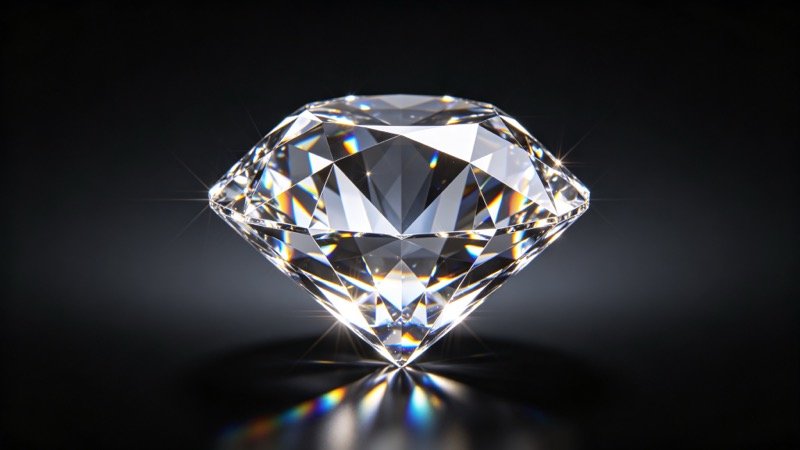
Carbon is the central element of all organic life and of modern materials science. At room temperature it exists as graphite, diamond, amorphous carbon and fullerenes, spanning an enormous range from extremely soft to extremely hard, with densities ranging from about 1.8 g/cm³ (amorphous carbon) to 3.5 g/cm³ (diamond). Its most fundamental and largest industrial role is as the alloying element in steel: the distinction between pig iron and steel is essentially one of carbon content—the higher the carbon, the harder the steel, and the lower the carbon, the tougher it is—so steelmaking is, in essence, the controlled oxidative removal of excess carbon from pig iron. Beyond steel, carbon supplies energy and reinforcement to the entire metallurgical, chemical and rubber industries in the form of coke, coal and carbon black.
In energy, graphite is the dominant anode material in lithium-ion and sodium-sulfur batteries and determines their capacity and cycle life. Activated carbon, with its enormous specific surface area, is used in water treatment, gas masks, flue-gas purification and food decolorization. Carbon fiber offers a specific strength far exceeding steel and is used in wind-turbine blades, aircraft fuselages, bicycle frames and pressure vessels, exemplifying high-end lightweighting. Diamond is the hardest natural material and is used in cutting tools, grinding wheels, drill bits and high-precision wire dies; synthetic diamond and cubic boron nitride have become foundational tool materials for modern machining and stoneworking. In daily life, pencil leads, dry cells, barbecue charcoal, printing inks and tire tread carbon black all depend on it.
Carbon dioxide (CO2), or carbonic-acid gas, is widely used in carbonated beverages, fire extinguishers, welding shielding gas and greenhouse-gas fertilization; dry ice is used in cold-chain transport, stage fog and mold cleaning, and the gas sits at the center of global climate discussions. Carbon monoxide (CO) is the main combustible component of water gas and producer gas, serves as an important reducing agent for iron, copper and nickel ores in metallurgy, and is the feedstock for methanol, phosgene and many carbonyl syntheses. Calcium carbonate (CaCO3), known as limestone, marble and calcite, is the primary raw material for cement, glass and quicklime, and is also a cheap, high-volume inorganic filler in paper, plastics and coatings. Sodium carbonate (Na2CO3), or soda ash, is one of the most heavily used alkaline chemicals in glassmaking, pulp cooking, soap and detergents, and wastewater treatment.