Home/ Elements/ Cl
Chlorine
Cl 17

Chlorine

Chlorine is a chemical element; it has symbol Cl and atomic number 17. It is the second-lightest halogen. Under standard conditions, the pure element is a yellow-green gas with the formula Cl2. Chlorine has the highest electron affinity and the third-highest electronegativity on the periodic table, making it a strong oxidizing agent. The most common compound of chlorine is sodium chloride, which is table salt. Chlorine and its compounds are used extensively in disinfection (water treatment), PVC production, and pharmaceutical manufacturing.

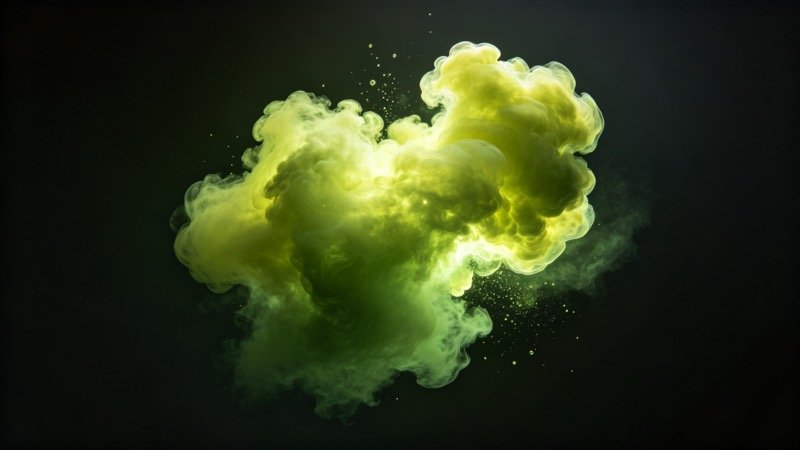
Halogen pale yellow-green gas
Atomic number 17Z
Atomic mass 35.45u
Valence e⁻ 7
Electron config. 1s2 2s2 2p6 3s2 3p5
Density
3.2g/cm³
Melting point
-102°C
Crustal abundance
145.0ppm
Annual production
Recycling rate
Partially recycled within chlor-alkali process loops

Why This Element

Chlorine is the most abundant halogen on Earth and one of the highest-volume industrial chemicals. Its extreme electronegativity and oxidizing power enable water disinfection (protecting billions from waterborne disease), PVC plastic manufacturing, and pharmaceutical synthesis — while generating controversy over persistent organic pollutants from chlorinated industrial waste.

Applications

PVCDisinfectantsBleachPharmaceutical productionWater treatment

Applications in DepthElement & compound uses

Main Uses of the Element

Chlorine is one of the most abundant halogens in the crust. At room temperature it is a yellow-green, highly toxic gas with a density of about 3.2 g/L and a melting point around −102 °C; it almost never enters civilian products in elemental form, but is converted into downstream materials through the chlor-alkali industry. The chlor-alkali process electrolyzes brine, simultaneously yielding chlorine gas, hydrogen, and sodium hydroxide; chlorine then reacts with ethylene to form vinyl chloride monomer, which polymerizes into polyvinyl chloride PVC, one of the world's highest-volume plastics, used in pipes, profiles, windows and doors, cable insulation, flooring, and packaging film. In public health, chlorine and its compounds disinfect tap water, swimming pools, and hospital environments, underpinning modern drinking-water safety. Chlorine also goes into pulp and textile bleaching, pesticide and pharmaceutical synthesis, and refrigerant production. It must be stressed that chlorine itself is highly toxic and corrosive, so transport and use must be strictly sealed.

Key Compounds and Their Uses

Sodium chloride NaCl is table salt, both a seasoning and food preservative and the basic feedstock of the chlor-alkali industry, electrolyzed to yield chlorine and caustic soda. Hydrogen chloride HCl dissolves in water to form hydrochloric acid, used for steel pickling, metal surface treatment, oil-well acidizing, and pharmaceuticals. Vinyl chloride monomer VCM polymerizes into polyvinyl chloride PVC, widely used in construction pipes, wire and cable, and artificial leather. Sodium hypochlorite NaClO and bleaching powder Ca(ClO)2 are common chlorine bleaches and disinfectants, used for pulp and fabric bleaching and environmental disinfection. Potassium chlorate KClO3 is a strong oxidant used in match heads, fireworks, and explosives. Methyl chloride CH3Cl is a feedstock for silicones and butyl rubber; phosgene COCl2, though highly toxic, is a key intermediate for polyurethane and polycarbonate synthesis. Ferric chloride FeCl3 is used as a water-treatment flocculant and for etching printed circuit boards.
Element History

Isolated in 1774 by Carl Wilhelm Scheele via oxidation of hydrochloric acid with manganese dioxide. Initially thought to be a compound containing oxygen, Humphry Davy proved it elemental in 1810 and named it. Large-scale production began in the 1880s with the industrialization of the chlor-alkali process, which now produces approximately 75 million tonnes annually.

Related Elements

F · Fluorine Br · Bromine I · Iodine At · Astatine Ts · Tennessine

Frequently Asked QuestionsLong-tail Q&A · data-driven

What is the melting point of Chlorine?
-102 °C
What is the boiling point of Chlorine?
-34 °C
What is the density of Chlorine?
3.2 g/cm³
What are the atomic number and category of Chlorine?
17 · Halogen
Which ore is Chlorine mainly extracted from?
halite (rock salt), brine
What are the main uses of Chlorine?
Chlorine is the most abundant halogen on Earth and one of the highest-volume industrial chemicals. Its extreme electronegativity and oxidizing power enable water disinfection (protecting billions from waterborne disease)
Who discovered Chlorine and when?
Carl Wilhelm Scheele · Ancient (known since antiquity)