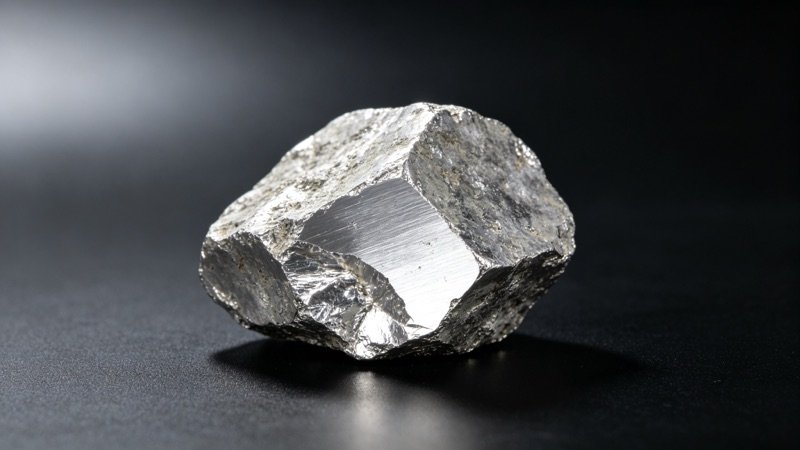
Sodium metal itself is rarely seen in daily life; it is more of a reactive industrial feedstock and specialty functional metal. Its most classic use is in high-pressure sodium lamps: sodium vapor discharge produces orange-yellow light with exceptional penetrability, and these lamps were once widely used for street lighting on urban roads, at airports and on docks, offering high luminous efficacy and long life; they are still used in many outdoor lighting applications. In the nuclear industry, sodium is used as the liquid-metal coolant of fast breeder reactors because it conducts heat rapidly, has a low melting point and high boiling point, and has little neutron-moderating effect. In metallurgy and chemicals, metallic sodium is a strong reducing agent used to produce refractory metals such as titanium and zirconium as well as certain dyes and pharmaceutical intermediates. In recent years, with the rise of sodium-ion batteries, sodium has again drawn attention as a new low-cost battery system; it is abundant in the Earth's crust and inexpensive, and is regarded as an important supplement when lithium supplies are tight. The reason sodium is selected for these roles lies in being extremely light and highly reactive, allowing it both to conduct heat efficiently for cooling and to deliver powerful reducing power.
Sodium chloride (NaCl) is common table salt; besides seasoning and food preservation, it is the starting point of the chlor-alkali industry—electrolyzing brine to produce chlorine gas, hydrogen gas and sodium hydroxide, one of the pillars of basic chemicals—and it is also used in large quantities for winter road deicing. Sodium hydroxide (NaOH), commonly known as caustic soda, is the strongest of the common industrial alkalis and is used in pulp and paper making, soap and detergents, alumina refining, petroleum refining, and textile dyeing and finishing. Sodium carbonate (Na2CO3), commonly known as soda ash, is consumed in huge quantities by the glass, detergent and paper industries, and is also used in water softening and everyday food processing. Sodium peroxide (Na2O2) reacts with carbon dioxide to release oxygen and was once used as an oxygen source in breathing masks, submarines and spacecraft, while also acting as a bleaching agent. In addition, sodium bicarbonate (NaHCO3), or baking soda, is used in food leavening, stomach-acid neutralization and fire extinguishing. The caustic soda and chlorine produced by the chlor-alkali industry are further derivatized into polyvinyl chloride, polyurethane and a host of fine chemicals, forming one of the longest product chains in modern industry.