Home/ Elements/ Zr
Zirconium
Zr 40

Zirconium

Zirconium is a chemical element; it has symbol Zr and atomic number 40. First identified in 1789, isolated in impure form in 1824, and manufactured at scale by 1925, pure zirconium is a lustrous transition metal with a greyish-white color that closely resembles hafnium. Zirconium is extremely corrosion-resistant, especially to acids and alkalis. Zirconium alloys are used as cladding for nuclear reactor fuel rods, in high-temperature ceramics, and in surgical implants.

Transition Metal USGS 2025 silvery white
Atomic number 40Z
Atomic mass 91.224u
Valence e⁻ 2
Electron config. 1s2 2s2 2p6 3s2 3p6 4s2 3d10 4p6 5s2 4d2
Density
6.52g/cm³
Melting point
1855°C
Crustal abundance
165.0ppm
Annual production
1500metric tons unless otherwise specified
Recycling rate
Low

Why This Element

Zirconium exhibits an extraordinary combination: excellent corrosion resistance (superior to stainless steel and titanium in many environments), low neutron absorption cross-section (critical for nuclear reactor fuel cladding), and the ability to form tough zirconia ceramics via stress-induced transformation toughening.

Applications

Reactor claddingCeramicsRefractory materials

Applications in DepthElement & compound uses

Main Uses of the Element

Zirconium is a highly corrosion-resistant, high-melting-point metal that, because of its extremely low neutron-absorption cross section, has become a key material for the nuclear industry. Its most important use is as nuclear-reactor fuel cladding: zirconium alloys (such as Zircaloy) jacket uranium dioxide fuel pellets, retaining structural integrity for long periods in high-temperature, high-pressure water while absorbing almost no neutrons so that the chain reaction proceeds efficiently; for this reason, fuel assemblies in nuclear power plants are almost universally made of zirconium alloys. In ceramics and refractories, zirconia (ZrO2) is hard and tough, and zirconia ceramics are used for dental crowns, cutting tools, watch cases and precision structural components. In refractories, zircon bricks and zircon ramming mixes line the critical zones of glass furnaces and steel melting furnaces, withstanding high-temperature erosion and slag attack. Zirconium is also used in corrosion-resistant chemical equipment, bulletproof armor, spark plugs and special welding materials, its chemical inertness performing superbly in strong acids and alkalis.

Key Compounds and Their Uses

ZrSiO4, i.e. zircon sand, is the main mineral from which zirconium and hafnium are extracted; as such it is itself used in large quantities as a refractory aggregate and ceramic opacifier in glass, furnaces and wall/floor tiles. Zirconia (ZrO2), after yttria stabilization, is made into zirconia ceramics used in structural parts, dental restorations and solid-oxide fuel-cell electrolytes, and is also the main raw material for synthetic gemstones. Zirconium tetrachloride (ZrCl4) is the key intermediate for making zirconium metal and zirconium chemicals; in nuclear-grade sponge-zirconium production it is obtained by chlorinating zircon sand and then magnesium-reduced to sponge zirconium. It is worth noting that hafnium, which accompanies zircon sand, is similar in chemistry to zirconium but strongly neutron-absorbing; nuclear-grade zirconium must have hafnium deeply removed, the most critical step in zirconium processing.
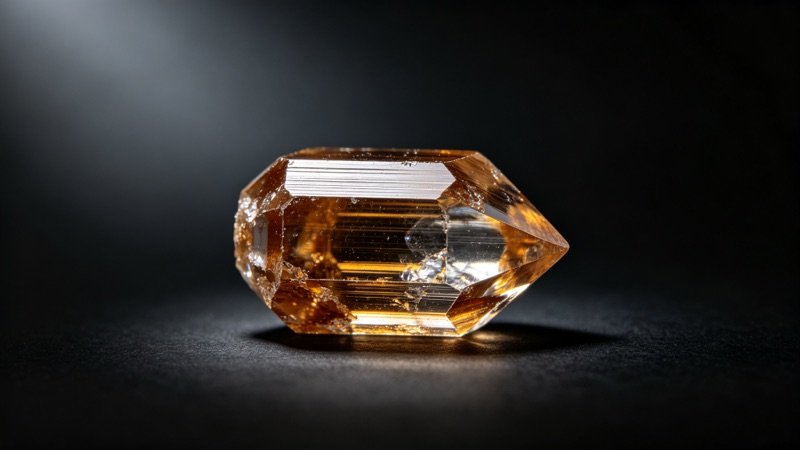
Element History

Discovered in 1789 by Martin Heinrich Klaproth who extracted zirconia (ZrO₂) from the mineral zircon. Pure metallic zirconium was not obtained until 1914. The Kroll process for zirconium sponge production using magnesium reduction of zirconium tetrachloride was developed in 1945, enabling its use in nuclear reactors.

Alloys of this element (7)

View all alloys → Zr-4 Zircaloy-2 Zr-2.5Nb Zr-BMG YSZ Gd2Zr2O7 HfZrNiSn

Related Elements

Sc · Scandium Ti · Titanium V · Vanadium Cr · Chromium Mn · Manganese Fe · Iron Co · Cobalt Ni · Nickel

Frequently Asked QuestionsLong-tail Q&A · data-driven

What is the melting point of Zirconium?
1855 °C
What is the boiling point of Zirconium?
4377 °C
What is the density of Zirconium?
6.52 g/cm³
What are the atomic number and category of Zirconium?
40 · Transition Metal
Which ore is Zirconium mainly extracted from?
zircon
What are the world reserves of Zirconium?
70000 metric tons unless otherwise specified
What is the annual production of Zirconium?
1500 metric tons unless otherwise specified
What are the main uses of Zirconium?
Zirconium exhibits an extraordinary combination: excellent corrosion resistance (superior to stainless steel and titanium in many environments), low neutron absorption cross-section (critical for nuclear reactor fuel cla
Who discovered Zirconium and when?
Martin Heinrich Klaproth · 1789