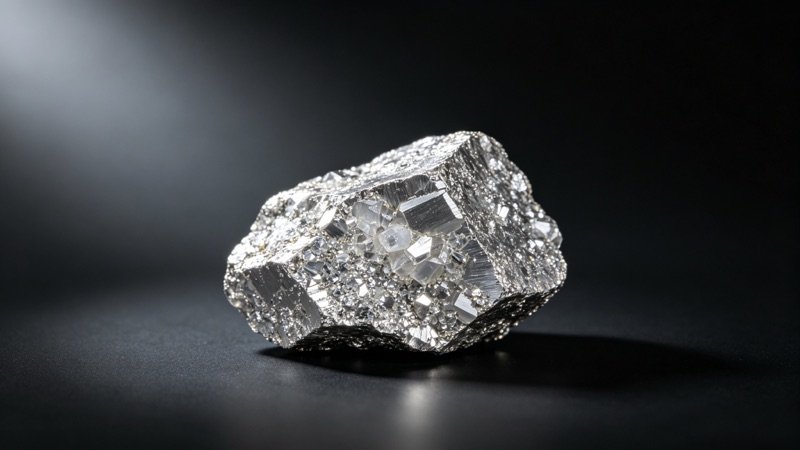
Thulium is one of the least abundant stable lanthanides in nature and is expensive, so it is used only in high-end miniaturized devices. Thulium-doped yttrium aluminum garnet (Tm:YAG) and thulium-doped fiber lasers emit eye-safe light around 2 µm, which is strongly absorbed by water and biological tissue and is used in urological lithotripsy, soft-tissue surgery, and gas sensing. The radioactive isotope thulium-170 emits β and γ rays and is made into portable X-ray flaw sources and small irradiation units, enabling nondestructive testing in the field and on-site equipment without having to deploy a large X-ray machine. Thulium ions also find limited use in optical storage, high-resolution fluorescent labeling, and high-temperature superconductor research. Although its consumption is tiny, in the two niche fields of eye-safe lasers and portable isotope sources it is difficult to find a cheaper alternative.
Tm2O3 (thulium(III) oxide) is the principal oxide of thulium. It is a white powder with a faint greenish tinge and the starting point for preparing thulium metal, Tm:YAG laser crystals, and special luminescent materials; it is also used as a minor dopant in optical glasses and electronic ceramics. TmCl3 (thulium trichloride) is an intermediate in the extraction and separation flowsheet, used for the molten-salt electrolytic production of thulium metal and the synthesis of thulium complexes. Because thulium is so rare in the Earth's crust, its compounds barely enter the mass consumer market; they are supplied only as high-purity reagents, laser-crystal feedstock, and radioactive isotope targets. Thulium-170 is typically produced by irradiating a thulium target in a reactor, then packaged as a small metal or oxide source inside portable flaw-detection and irradiation devices.